 ENM
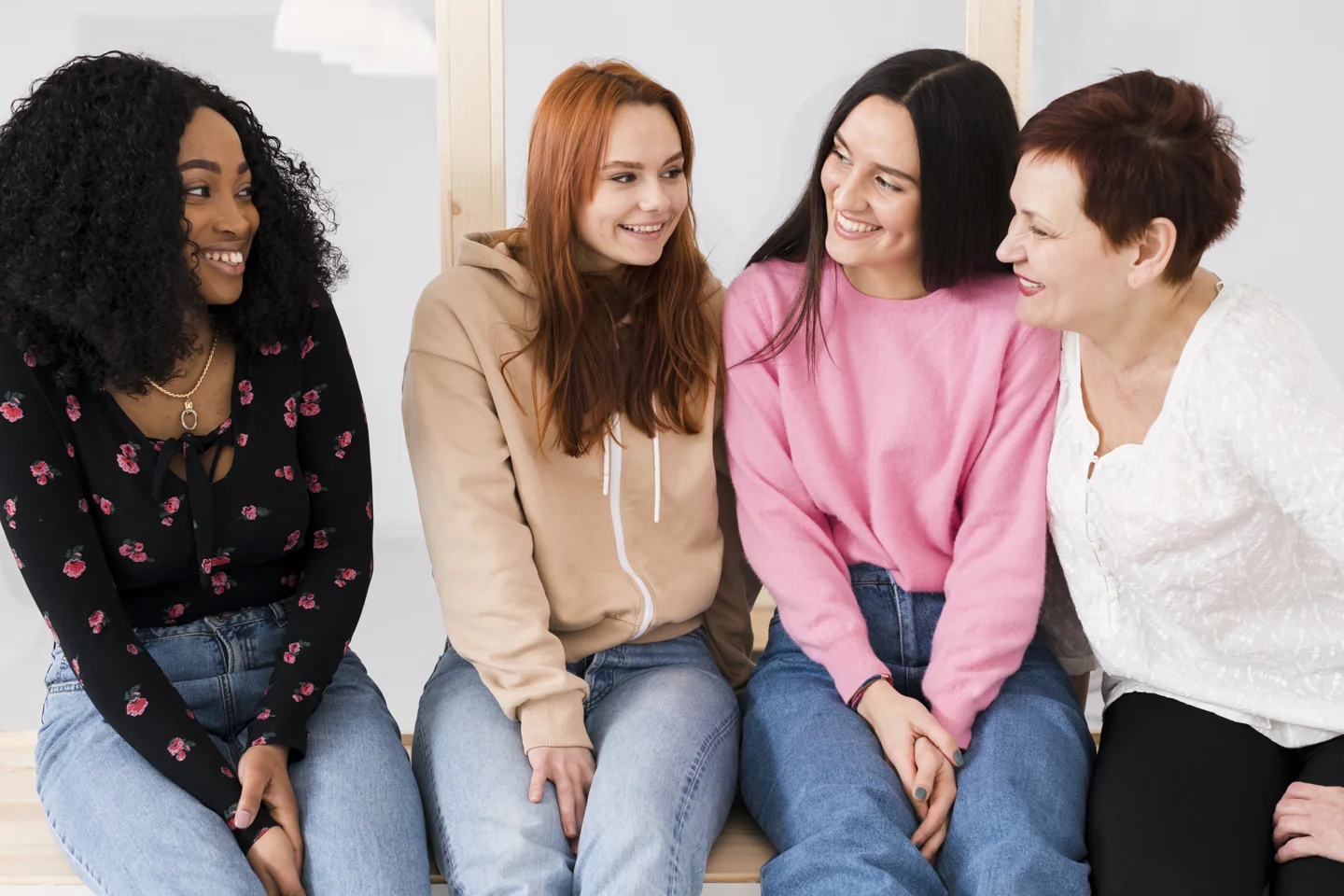
From Familiar Company to a Personal Invitation
When you already know someone socially, asking for a date can feel more complicated than messaging a new profile. You may worry about changing a comfortable group dynamic or making friendliness feel misread. A small, direct invitation helps: describe your interest, offer a separate meeting and make declining comfortable. You are giving the person a choice, not asking the entire social circle to interpret the moment.
Try: “I enjoy talking with you and have wondered whether there could be a romantic connection. Would you like to meet just the two of us? It's fine if you would prefer to keep things friendly.” This is an example of wording, not a report of local dating behavior. It gives the other person a way to answer honestly without having to protect your reputation in front of friends.
Across the River or Inside a Familiar Routine?
Portland’s Willamette River gives east-side and west-side meeting plans a concrete geographic distinction. Ask whether crossing for a date fits both people’s normal routines, rather than choosing the venue only because it belongs to the inviter’s friend group. You can prefer a familiar setting, but the other person should have a voice in whether familiarity feels welcoming or socially exposed.
An individual date in a mutually chosen area can serve two purposes at once: it shares the practical effort and gives the connection space outside an established circle. If you later want to introduce each other to friends, make that a separate invitation. The choice of side of the river should support meeting, while the choice of social audience should remain deliberate.
Who Needs to Know, and Who Does Not?
A new relationship may affect existing partners while remaining private from a wider group. Separate those decisions. People directly affected by an ENM agreement need honesty about matters relevant to their choices. Acquaintances do not automatically need details of your dates, identities or relationship structure. Ask before sharing an introduction as romantic, posting a photo or discussing someone's boundaries with mutual friends.
The ENM boundaries guide can help you turn a general wish for privacy into a usable agreement. For example, you might agree to introduce one another simply by name at a gathering until both people want something more public. That should not require denying a relationship to a person whose informed consent depends on knowing it exists. The difference is purpose, not a clever choice of wording.
Keep Friendship From Becoming a Romantic Obligation
A social group can continue to be welcoming even when a date does not become a relationship. Talk about what would help you both return to shared spaces comfortably. You do not need a detailed breakup contract before coffee. You can simply agree not to make mutual friends carry messages, ask them to take sides or treat attendance at a gathering as a signal of renewed romantic interest.
Existing couples have another choice to make: will one partner's friendship or attraction create expectations for the other? If you are inviting someone together, use the couples dating guide to clarify whether individual connections are possible. Someone can like the group, enjoy one person romantically and remain uninterested in another. Those feelings do not need to be made equal for the group to stay respectful.
Choose an Ordinary Meeting That Belongs to the Two of You
A first date away from a familiar gathering can reveal a different kind of connection. Pick a public setting with enough space to talk and a manageable amount of time. You might choose an early coffee, a short walk or a relaxed meal. What matters is that both people understand they are choosing a date, rather than arriving at another social event with hidden expectations.
Portland's TriMet schedules can support a transit-based meeting plan. Share broad meeting preferences rather than exact home details, and be willing to choose a place that works for both routes. If your search includes connections elsewhere, the US locations hub helps distinguish a local routine from a wider dating possibility. A clear plan lets your attention return to the person.
Put Your Relationship Style Into Human Language
“ENM” tells someone you are open to consensual non-monogamy; it does not tell them whether you want a lasting romance, independent partners, a shared experience or occasional dates. Add a sentence about the connection you hope to find. If you want solo poly dating, explain the continuity you welcome while keeping an independently organized life. If you are partnered, say whether you are dating individually.
It is also useful to distinguish “open to meeting” from “available to build something.” Ask what a developing relationship could realistically include. You can remain flexible about the outcome while being clear about your own hopes. Openness works best when it expands mutual choice, rather than making every preference feel too restrictive to say aloud.
A Portland social circle does not need to define the romantic commitments you choose. Relationship anarchy offers one way to question automatic roles, while LGBTQ+ ENM dating addresses identity and visibility when a familiar group knows different parts of someone's life.
Portland Questions About Familiar Circles
Can I ask someone from my friend group on a date?
Yes, with a direct invitation and room for a comfortable no. Ask privately and avoid using friends to pressure the person or interpret their answer for you.
What if the date does not become romantic?
You can agree on respectful behavior in shared spaces. Neither person should have to withdraw from a group simply because the connection developed differently than hoped.
Does being openly ENM mean every date must be public?
No. Public visibility and informed consent serve different purposes. Respect a person's privacy with acquaintances while remaining honest with people whose relationship choices are directly affected.
If your connection begins elsewhere in the state, Oregon dating compares Portland with Salem and Eugene. Keep the individual relationship and the journey as separate choices.